What do to when power steering goes out
Power steering makes driving effortless, but when it fails, it can catch you off guard. Knowing what to do in this situation is essential for your safety. Here’s a step-by-step guide to handle power steering failure:
1. Stay Calm and Keep a Firm Grip
- Without power steering, your steering wheel will feel significantly heavier. Stay calm, keep both hands firmly on the wheel, and prepare to use more force to steer.
2. Slow Down Gradually
- Avoid sudden braking; instead, reduce your speed gradually by taking your foot off the accelerator. If needed, gently press the brake pedal to slow down.
3. Turn on Hazard Lights
- Alert other drivers by turning on your hazard lights. This signals that you’re experiencing a problem and ensures they maintain a safe distance.
4. Find a Safe Spot to Pull Over
- Look for a safe place to pull over, such as the side of the road or a nearby parking lot. Use your mirrors and signals to navigate safely.
5. Avoid Sudden Movements
- Sudden, sharp turns can be difficult to control without power steering. Take wide, slow turns to maintain control of the vehicle.
6. Check for Obvious Issues
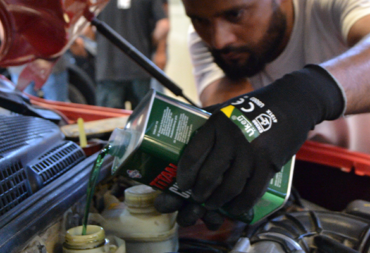
- Once parked, check under the hood for visible problems like a broken power steering belt, fluid leaks, or a low power steering fluid reservoir.
7. Call for Help
- If you cannot fix the issue yourself, call for roadside assistance or a tow truck to take your car to a trusted mechanic.
Preventative Measures
- Regularly check your power steering fluid levels.
- Pay attention to warning signs like whining noises, difficulty steering, or a warning light on your dashboard.
- Have your vehicle inspected periodically to catch potential issues early.
Don’t Take Chances!
Power steering failure can be stressful, but knowing how to handle it can prevent accidents. If you’ve experienced steering trouble, have your vehicle checked by a professional immediately to ensure it’s safe to drive.